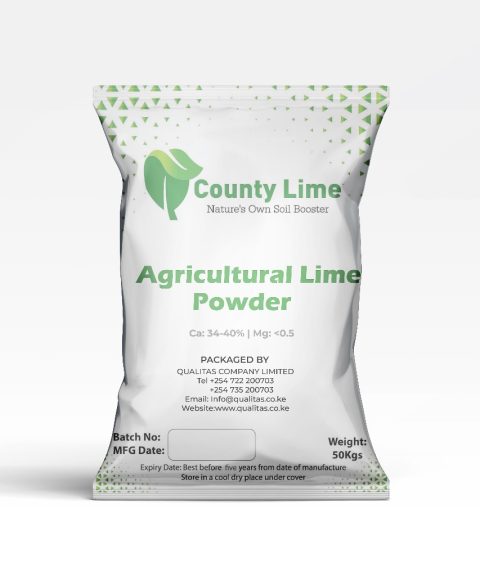
Description
Agricultural Gypsum is a natural soil amendment that supplies calcium and sulphur while helping improve soil structure, water infiltration, and root development. It is particularly valuable for managing sodic or compacted soils and supporting productive crop growth. It is chemically composed of Calcium Sulfate Dihydrate with the formula CaSO₄·2H₂O.
Chemical Analysis
- Calcium (Ca): Makes up about 22 – 26% of the pure mineral, supporting cell wall structure and root development.
- Sulfur (S): Makes up about 17 – 18% in the sulfate form (SO₄²⁻), providing immediately available nutrients for plant protein synthesis.
Major Uses & Applications
- Soil amendment: helps improve soil structure and physical condition, particularly in heavy or sodic soils.
- Calcium supply: provides readily available calcium to support strong roots, cell walls, and overall plant development.
- Sulphur supply: provides sulphur needed for protein formation and enzyme activity.
- Improves water infiltration: can help improve water movement through certain compacted or sodic soils.
- Root development: promotes a better soil environment for deeper and healthier root growth.
- Sodic soil management: calcium from gypsum can help displace exchangeable sodium, supporting soil reclamation when used appropriately.
- Crop production: widely used in crops such as coffee, tea, horticultural crops, cereals, fruits, and legumes.